Advancing editorial operations through AI, governance, professional development, and scalable communication systems.
Working alongside communications leadership, I contributed to responsible AI adoption, editorial governance, professional development, and institutional knowledge management through the development of enterprise guidelines, internal training programs, editorial resources, and scalable communication frameworks.
These efforts strengthened the organization’s long-term capacity while enabling teams to communicate more effectively across a diverse portfolio of clients and initiatives.
Responsible AI adoption
As generative AI became integrated into enterprise communications, I helped shape how our organization approached its adoption. I served as a subject matter expert on ASU Enterprise Partners’ AI Working Group, co-developed AI guidelines for the ASU Outreach Hub, and helped establish practical standards for responsible use that balanced efficiency, quality, confidentiality, and human editorial judgment.
Good governance
I was selected to participate in an enterprise pilot program evaluating advanced language models, providing early access to emerging tools and an opportunity to assess their strengths, limitations, and practical applications for professional communications. Working directly with writers and leadership, I helped identify where AI could meaningfully improve workflows without compromising quality, brand standards, or editorial oversight.
Rather than approaching AI as a universal solution, I developed a framework for evaluating writing tasks based on their strategic complexity, creative demands, and organizational risk. This framework helped distinguish work that could be responsibly automated from assignments requiring human judgment, stakeholder collaboration, or nuanced messaging.
Best practices
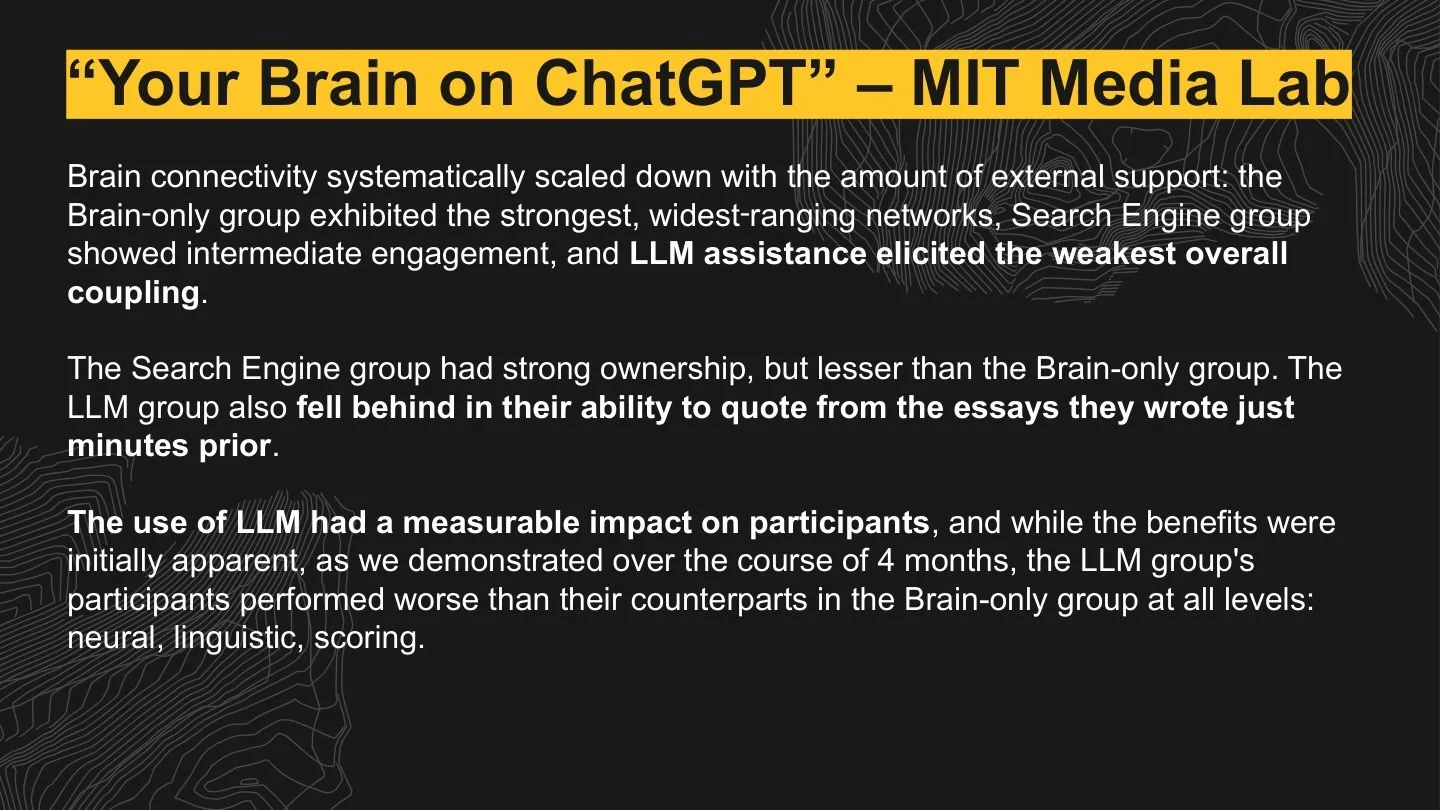
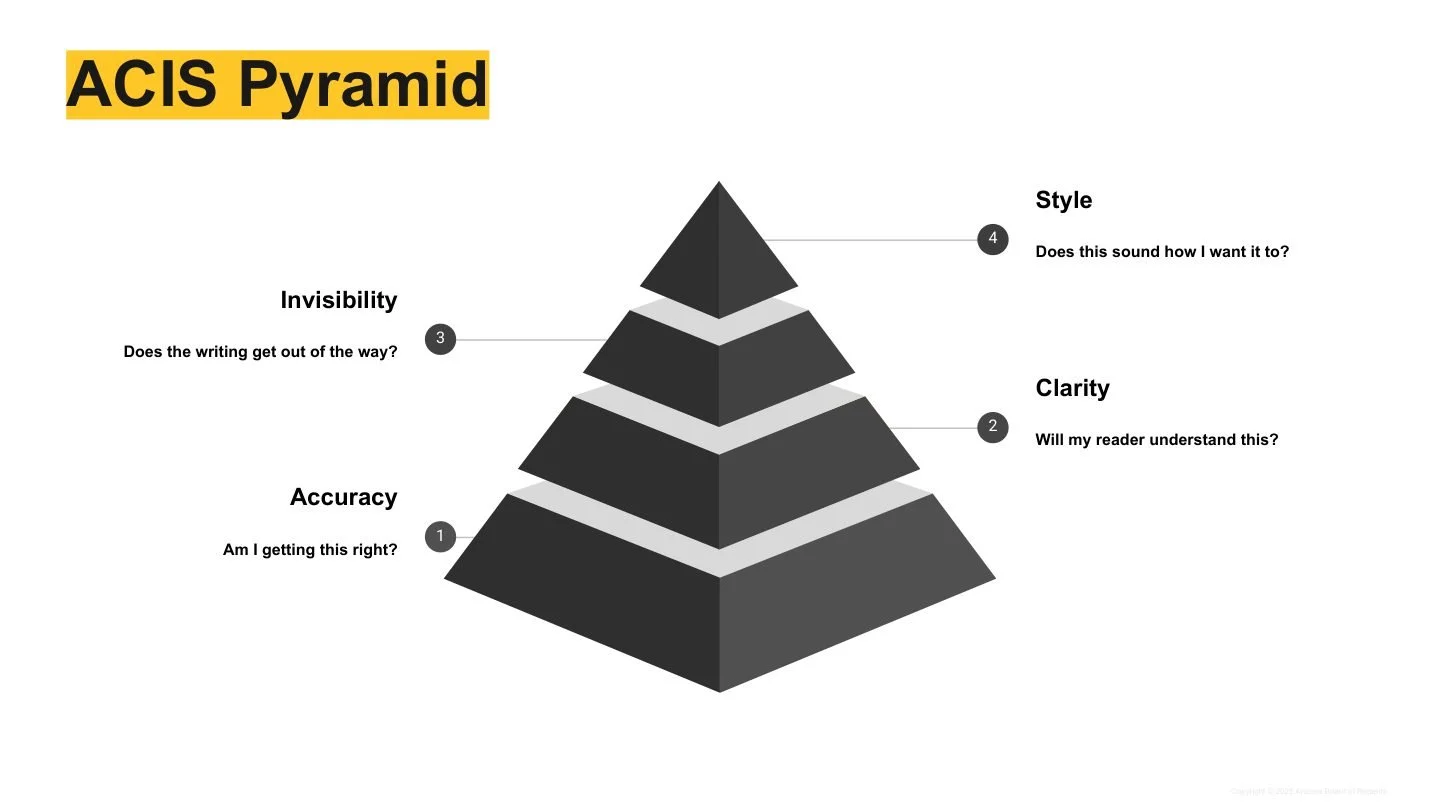
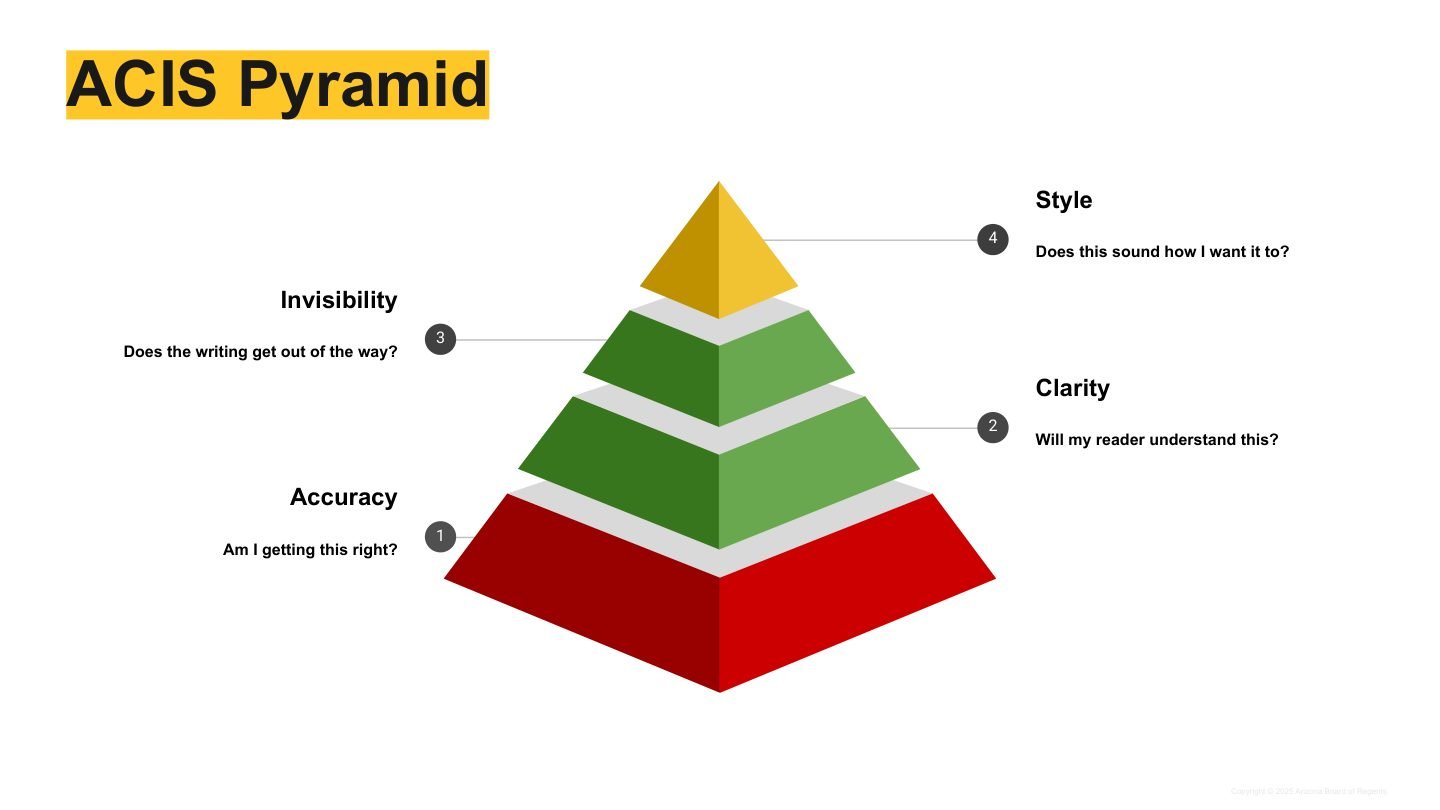
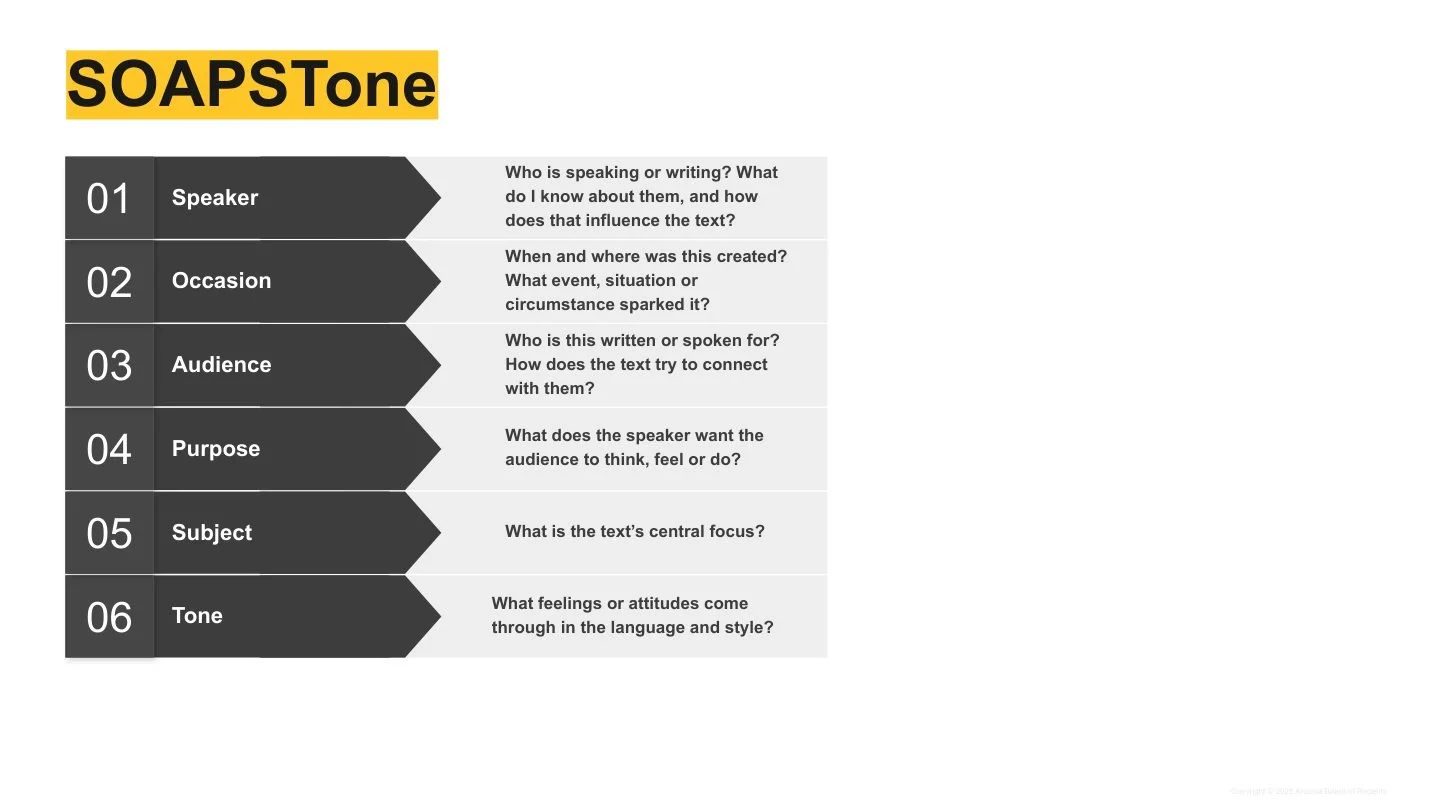
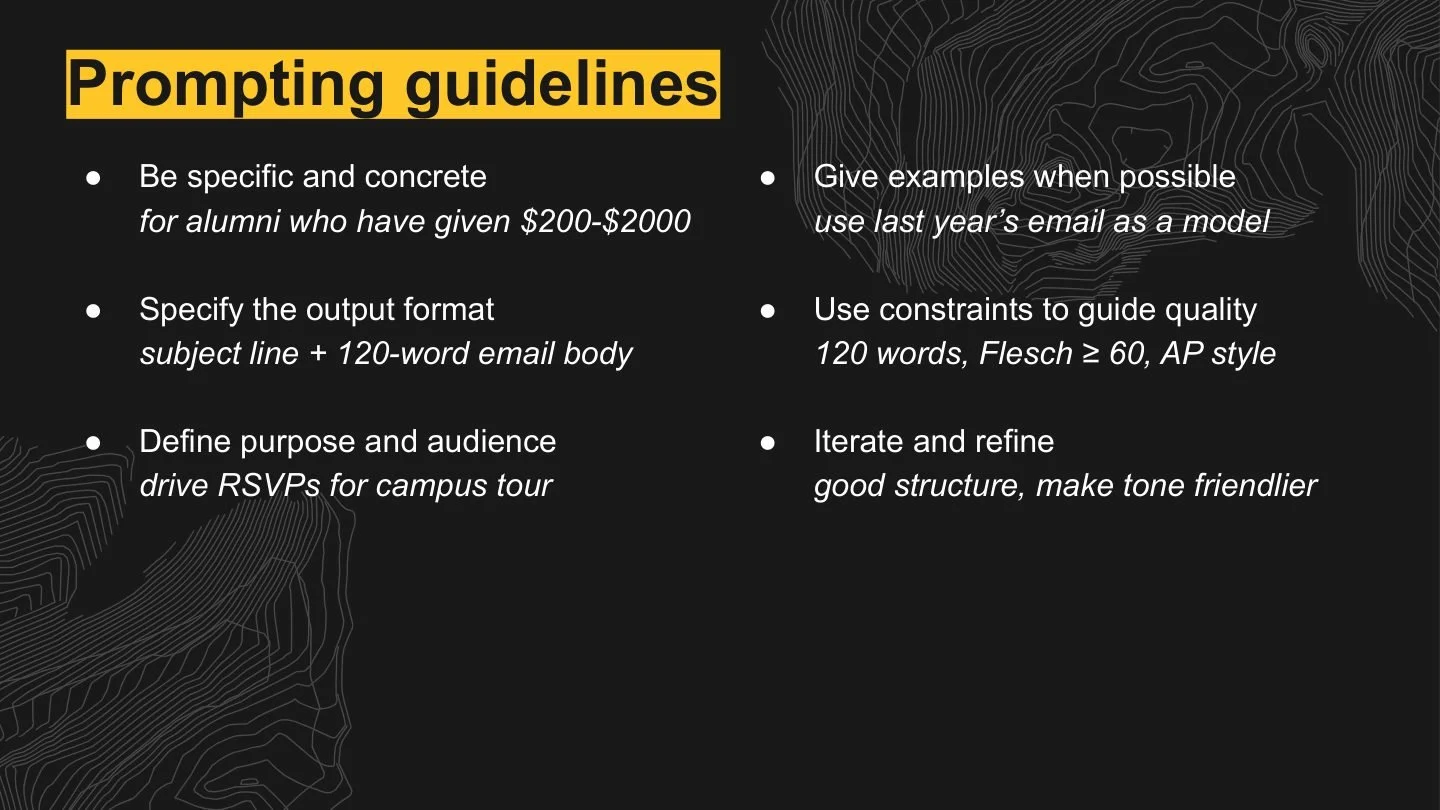
Beyond governance, I developed and delivered practical training sessions that introduced colleagues to AI-assisted writing workflows, prompting techniques, and quality assurance practices. By combining policy with hands-on instruction, these efforts helped establish a consistent, responsible approach to AI adoption while enabling communications teams to work more efficiently across a wide range of projects.
Editorial standards
As our communications portfolio expanded across multiple client organizations and audiences, consistent editorial standards became increasingly important. I helped develop the systems that ensured quality at scale, from co-authoring an enterprise style guide to designing editorial workflows and serving as a final reviewer for sensitive communications. Together, these resources improved consistency, efficiency, and confidence across the writing process.
Style guide development
To create a consistent editorial voice across a diverse communications organization, I co-led development of the Outreach Hub Style Guide. The guide expanded upon ASU brand standards with practical guidance tailored to the unique requirements of our client organizations, establishing shared conventions for voice, tone, grammar, accessibility, terminology, and industry-specific writing practices.
Proofreading workflow
I designed a standardized proofreading workflow and editorial checklist that integrated quality assurance into the writing process without creating unnecessary friction. The framework enabled hundreds of projects each year to move efficiently through review while ensuring consistent adherence to editorial standards, brand guidelines, accessibility requirements, and publication best practices.
Sensitivity
review
As a designated sensitivity reviewer, I provided final editorial review for communications addressing topics involving identity, culture, accessibility, and other sensitive subject matter. Working alongside project teams and stakeholders, I helped ensure that messaging remained accurate, respectful, inclusive, and aligned with both organizational standards and audience expectations before publication.
Knowledge development
Professional development became a core part of my role as I helped strengthen the organization’s writing capabilities through structured training and knowledge management. I designed and delivered workshops for communications professionals while creating durable resources that preserved institutional knowledge, accelerated onboarding, and enabled teams to work more confidently across a diverse portfolio of clients.
Writing workshops
I developed and facilitated a series of interactive ninety-minute workshops focused on the practical skills required for enterprise communications. Each session combined strategic frameworks, real-world examples, collaborative exercises, and group discussion to help writers apply best practices directly to their client work.
Workshop topics included:
Campaign strategy and messaging
Website writing and information architecture
Email marketing and donor communications
Social media strategy and content development
Storytelling for institutional audiences
Editorial standards and quality assurance
Client knowledge packets
As a continuity lead for several highly technical client groups, I developed and maintained comprehensive onboarding guides that captured institutional knowledge often dispersed across teams. These living resources documented organizational structures, strategic priorities, key stakeholders, messaging frameworks, recurring initiatives, and historical context, enabling new client solutions managers to become productive more quickly while preserving continuity across long-term accounts.
Presentation training
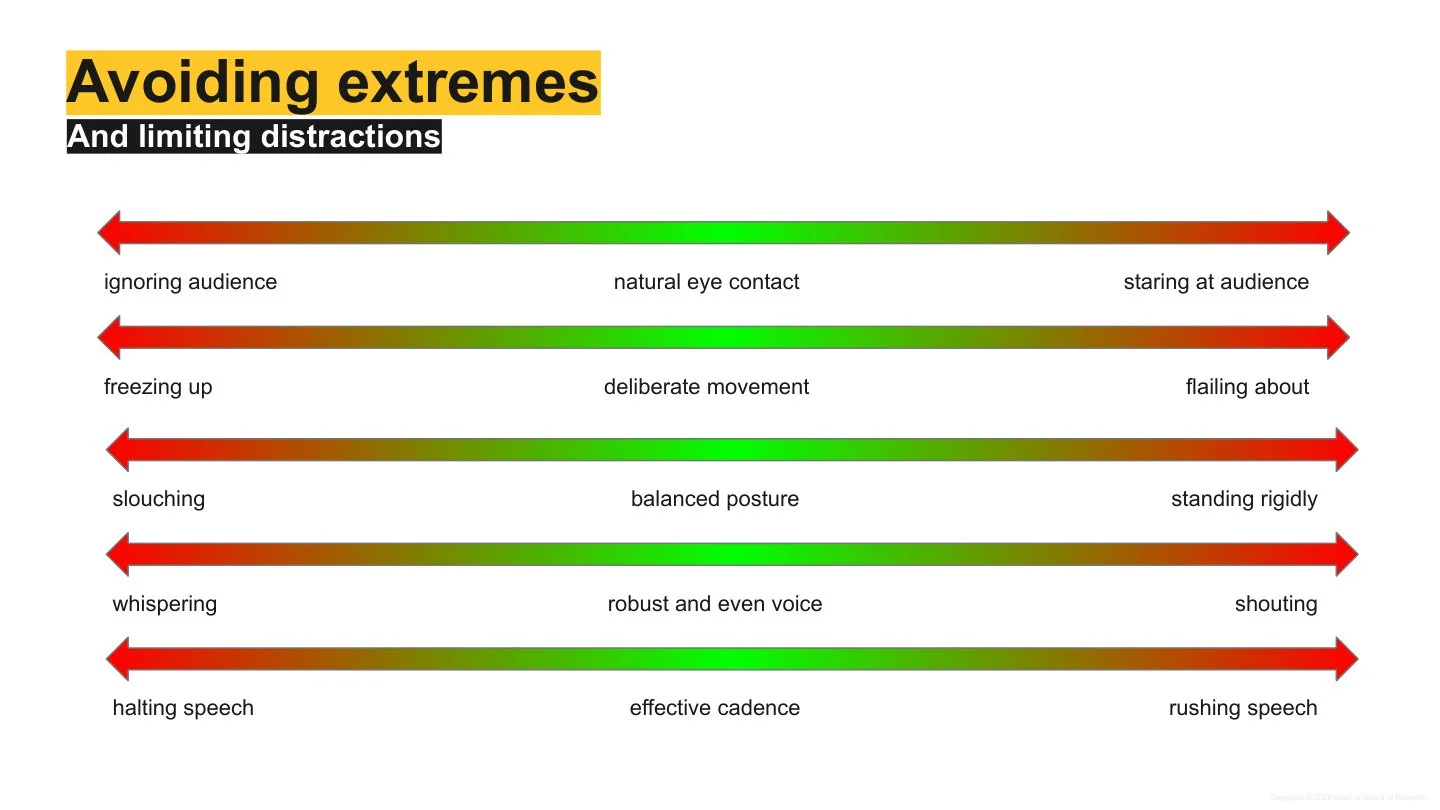
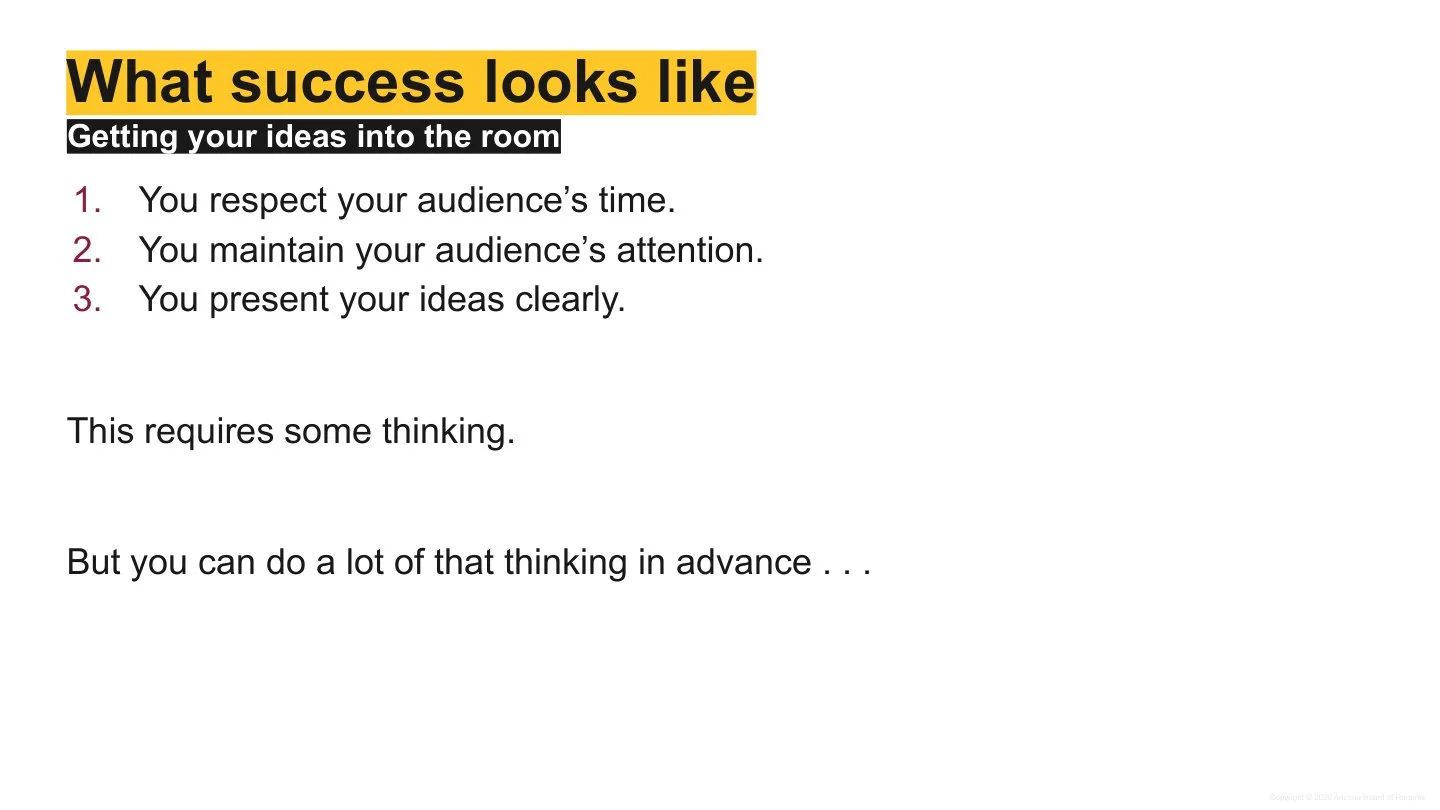
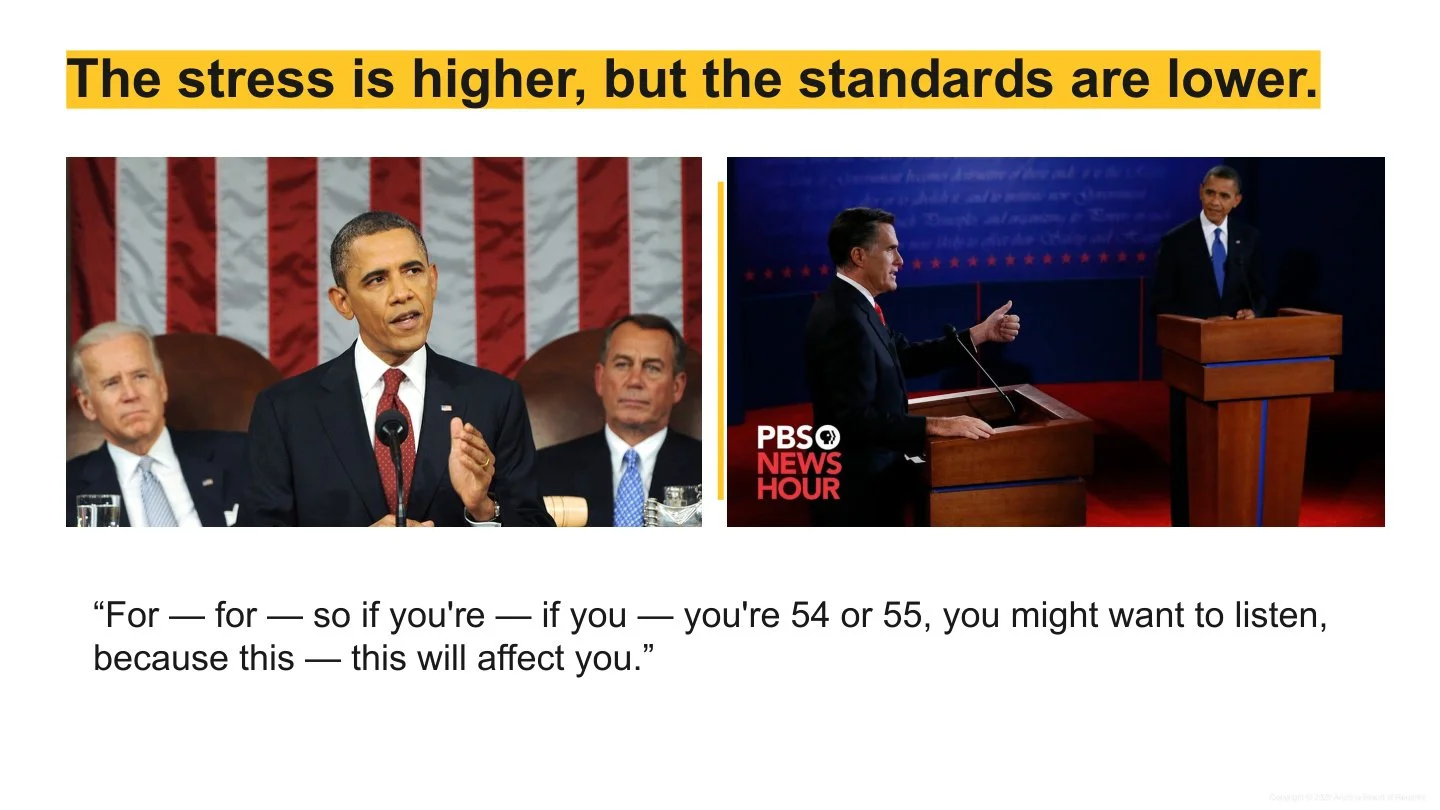
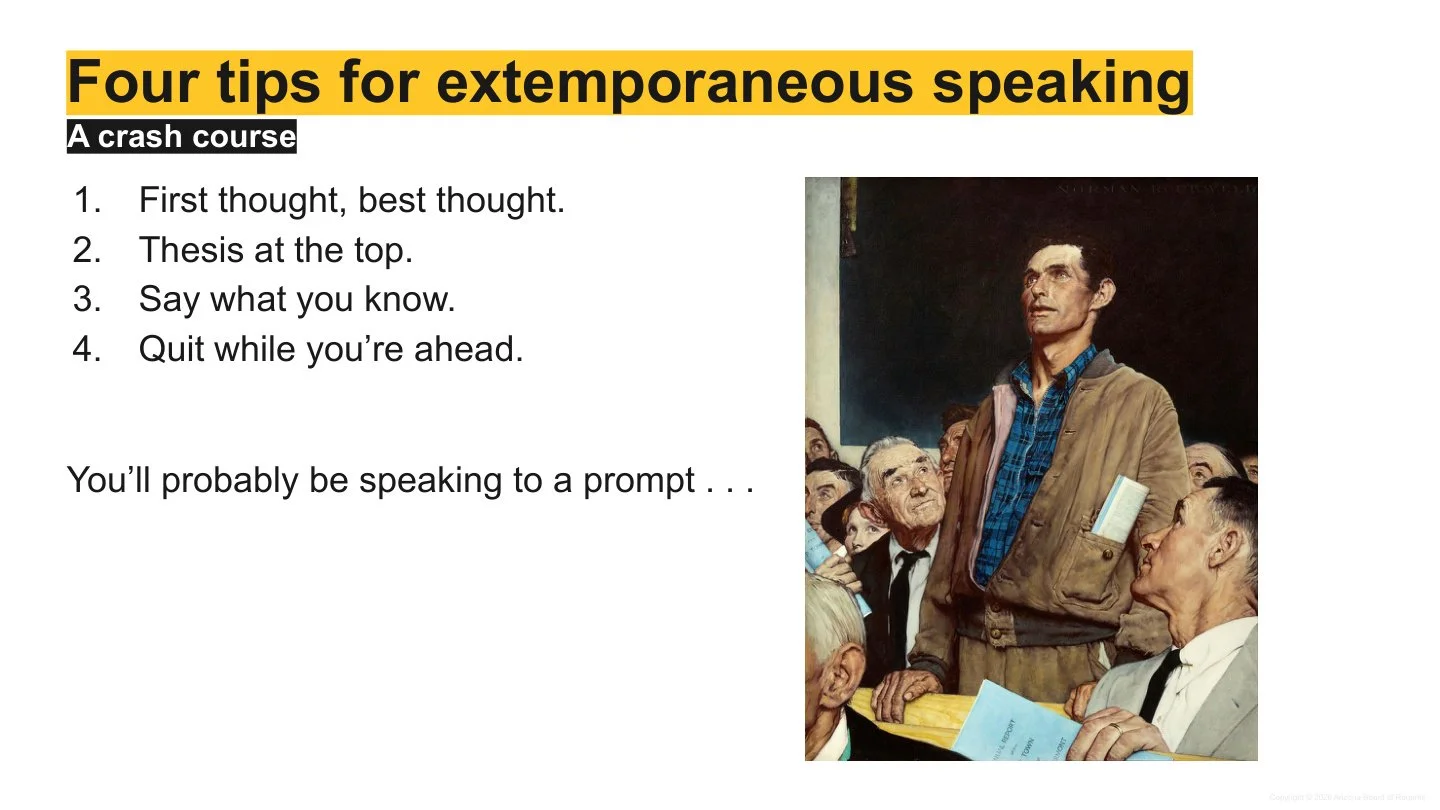
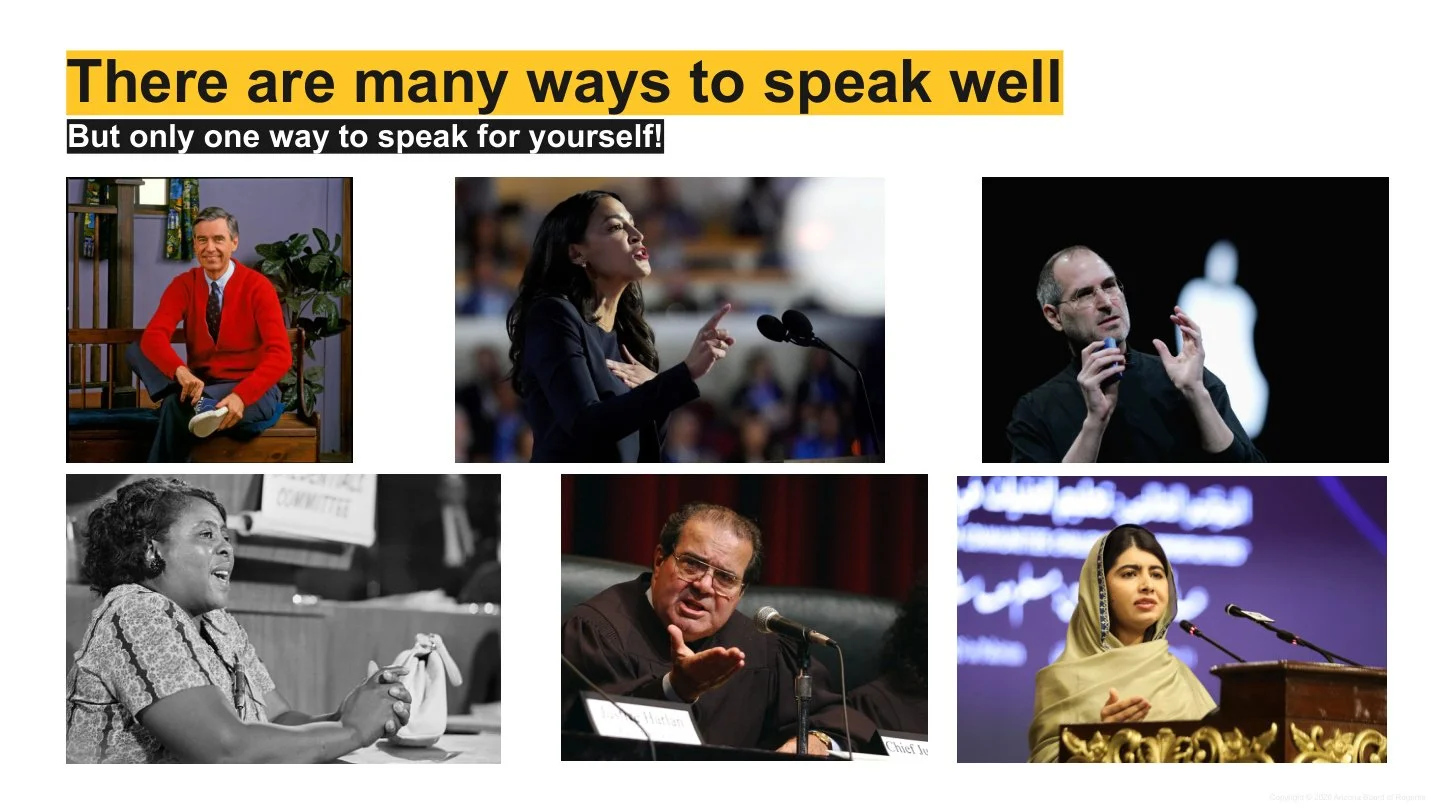
I developed and delivered a professional development program focused on strengthening presentation and public speaking skills across the enterprise. Drawing on my background in collegiate debate, the session introduced practical techniques for speakers at all levels, with a particular emphasis on building confidence in unscripted, extemporaneous communication in professional and collaborative settings.
Public speaking lecture
This was a large-scale professional development session delivered to more than 150 employees across the organization, designed to build foundational and advanced public speaking skills. The curriculum blended structured instruction with practical exercises, helping participants improve clarity, confidence, and audience engagement across a range of professional contexts.
Extemporaneous speaking module
A focused module within the broader program, this component emphasized extemporaneous speaking—developing the ability to communicate clearly and persuasively without reliance on scripted remarks. The training helped professionals strengthen real-time thinking, meeting facilitation, and adaptive communication in fast-moving work environments.